
Welcome to Lingkang Times Biology
 Shaanxi Lingkang Times Biotechnology Co., LTD
Shaanxi Lingkang Times Biotechnology Co., LTDIn the botanical extract industry, Raw Powder and Plant Extract are two commonly mentioned concepts that differ fundamentally. Many laymen mistakenly think they are just different names for the same product. Actually, they have systematic and substantial gaps in production process, ingredient concentration and application fields.
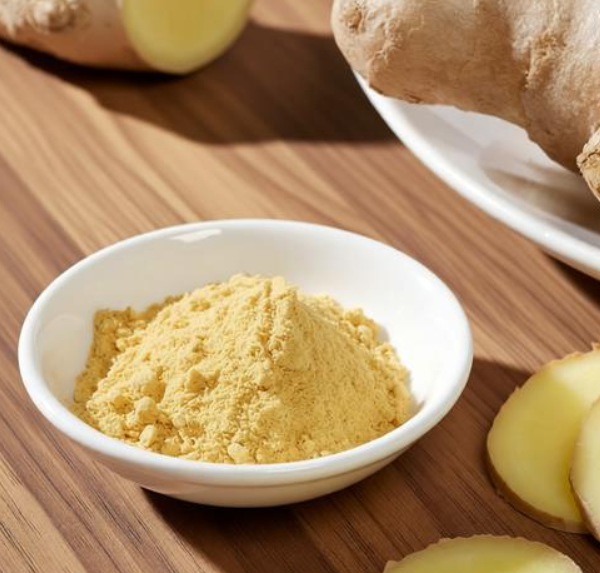
Raw PowderIt is fine powder made by cleaning, drying and directly pulverizing plant materials (roots, stems, leaves, fruits, etc.), followed by sieving. It is merely a physical transformation of raw plant materials, with chemical composition basically identical to the original plant.Take ginger raw powder as an example: dried ginger slices are ground directly without any separation or purification of ingredients.
Plant ExtractIt adopts modern technologies including solvent extraction, distillation, concentration and spray drying to isolate target active substances from plants and turn them into powder or liquid. Its core lies in chemical separation and enrichment of key compounds such as alkaloids, flavonoids and polyphenols.Ginger extract, for instance, goes through multiple working procedures including crushing, extraction and concentration to enrich gingerol and other effective constituents.
The production flow of raw powder is extremely simple:Raw material → Cleaning → Drying → Physical pulverization → Sieving → Packaging.No chemical solvents or component separation are involved. It only grinds plant materials into fine particles.
The preparation of plant extract is far more complicated:Raw material → Crushing → Solvent extraction (water or ethanol) → Solid-liquid separation → Concentration → Purification → Spray drying → Packaging.This procedure selectively dissolves target ingredients and removes inert substances like cellulose and ash so as to concentrate active components.
Raw powder retains all substances of the plant, including cellulose, starch and ash. The content of active ingredients stays at the original low level of the raw herb.By enrichment technology, plant extract greatly raises the content of key active substances, with potency 5 to 15 times higher than raw powder.A 5:1 blueberry extract means 5 kg of raw material is concentrated into 1 kg of powder, containing far more anthocyanins than blueberry raw powder.
Rich in inert ingredients, raw powder has low bioavailability and slow efficacy, requiring a large dosage (gram level) in health products.With highly concentrated active substances, extracts are easily absorbed by intestines and enter the bloodstream rapidly to take effect. Only milligram-level dosage can achieve the same effect.
Raw powder features full-spectrum nutrition and low cost. It is widely used in food additives, massage powder, animal feed and traditional Chinese medicinal powders where whole plant constituents are required.
Plant extract is characterized by accuracy and high efficiency. It is widely used in pharmaceuticals, high-end health supplements, functional food and cosmetics for scenarios requiring precise dosage and rapid efficacy.For example, rosemary extract with 80% rosmarinic acid can be used in antioxidant formulations, while raw powder cannot meet such purity standards.
Labels of raw powder only state the raw material name, without content specifications, e.g. Ginger Raw Powder.Extract labels clearly mark active ingredient standards, e.g. Ginger Extract 5% Gingerol, Green Tea Extract 98% EGCG.
Choose raw powder if you prefer whole natural nutrition with loose dosage requirements and cost control.Choose plant extract for high activity, precise dosage and fast action in high-end applications.They are not simply good or bad, but complement each other with different positioning.
Raw powder belongs to primary processing via physical grinding. It keeps all natural components yet has mild efficacy.Plant extract belongs to intensive processing via chemical separation. It achieves targeted enrichment of active ingredients with higher cost.Understanding this essential difference is the foundation of R&D, raw material purchasing and rational application.