![Shaanxi Lingkang Times Biotechnology Co., LTD]() Shaanxi Lingkang Times Biotechnology Co., LTD
Shaanxi Lingkang Times Biotechnology Co., LTD

If you develop natural dietary supplements, functional beverages, herbal formulations or clean-label health goods, you have likely searched the question: What is elderberry extract used for?
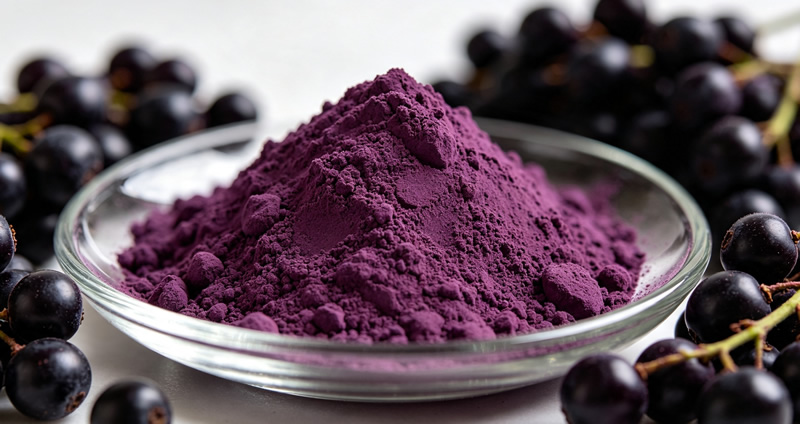
Elderberry extract is one of the most popular traditional herbal raw materials across North America, Europe and many global markets. Made from ripe elderberry fruit through cleaning, low-temperature extraction, purification and spray drying, this concentrated botanical ingredient carries abundant anthocyanins, flavonoids and phenolic acids. Standardized elderberry extract delivers consistent active substance levels, which cannot be easily achieved by simply using dried elderberry fruit. For formulators and bulk ingredient buyers, understanding its practical industrial uses helps design market-competitive finished products.
Key Application 1: Immune Support Dietary Supplements
The most well-known use of elderberry extract lies in immune health supplements. For decades, elderberry has been recognised as a go-to herbal ingredient for seasonal wellness support. Rich in natural flavonoids and anthocyanins, elderberry extract works as a powerful natural antioxidant to lower oxidative stress in the human body.
Many supplement manufacturers add elderberry extract into capsules, chewable tablets, compound herbal powder blends and daily wellness softgels. Consumers actively seek elderberry-based products especially during temperature-changing seasons. Unlike many single-function raw materials, elderberry carries a long public history of herbal usage, which simplifies brand marketing and consumer education.
A large number of family-oriented health formulas also choose elderberry extract because of its mild properties. When formulated with vitamin C, zinc or other herbal extracts such as echinacea, it creates popular compound immune support complexes widely sold in health stores and online marketplaces.
Key Application 2: Functional Drinks, Syrups & Liquid Wellness Shots
Liquid product lines represent another major consumption market for elderberry extract. Water-soluble elderberry extract powder can be evenly dispersed in water bases, making it ideal for elderberry syrup, herbal wellness shots, ready-to-drink functional beverages and concentrated fruit tonics.
Commercial elderberry syrups remain top-selling seasonal wellness products in Western markets. Compared with homemade elderberry liquid, industrial standardized extract maintains stable flavour, colour and active ingredient content throughout mass production. Manufacturers can better control microbial risks and extend shelf life with purified elderberry extract rather than raw elderberry juice.
Additionally, elderberry extract brings a natural deep purple colour and mild fruity flavour. Formulators can reduce the use of artificial colourants and synthetic flavours, matching the rising demand for clean-label, plant-based drink formulas. It can also blend well with berry extracts, honey flavour and citrus raw materials.
Key Application 3: Functional Food, Gummies & Nutritional Snacks
Food-grade elderberry extract is widely applied in health gummies, functional confectionery, nutritional meal powders and baked functional snacks. Wellness gummies containing elderberry extract are extremely popular among adults and children who dislike swallowing hard capsules.
The natural dark pigment from elderberry anthocyanins acts as plant colouring in food systems. Brands can highlight “no artificial colours” on packaging to attract health-focused buyers. The gentle berry taste also covers unpleasant herbal flavours in compound nutritional formulations.
It is worth noting that raw dried elderberries contain insoluble plant fibre and may introduce impurities. Spray-dried elderberry extract removes coarse fibre, stabilises active compounds and offers much better consistency for automated food production lines.
Key Application 4: Antioxidant Raw Material for Skincare & Personal Care
Beyond oral consumption, elderberry extract has gradually gained popularity within the cosmetic industry. The high concentration of anthocyanins and polyphenols provides strong free radical scavenging capacity. When added into toners, serums, masks and antioxidant creams, elderberry extract helps protect skin from environmental oxidative damage caused by pollution and UV exposure.
Many clean beauty brands prefer elderberry extract for plant-powered antioxidant formulations. It supports maintaining even skin tone and reduces visible dullness. As plant-derived raw material, it fits vegan, cruelty-free and natural skincare product positioning that appeals to modern consumers. Formulators need to select cosmetic-grade elderberry extract with controlled microbial limits for external application formulas.
The Difference Between Dried Elderberry and Standardized Elderberry Extract
Many new purchasers confuse dried elderberry fruit with concentrated elderberry extract. Whole dried elderberries retain natural nutrients but feature low, inconsistent active ingredient concentrations. Direct use of dried berries also brings challenges including heavy fibre content, unstable colour and shorter shelf life.
Professional elderberry extract undergoes filtration, concentration and purification processes. Suppliers can provide standardised specifications, commonly measured by anthocyanin or polyphenol content verified via HPLC testing. Common commercial forms include spray-dried elderberry powder and liquid elderberry extract. Most B2B bulk orders select powder form due to easier storage, transportation and longer shelf stability.
Important Notes for Formulators Using Elderberry Extract
1. Pay attention to raw material origin: Different growing regions produce elderberries with varying flavonoid content. European elderberry (Sambucus nigra) is the most widely used species for commercial extract manufacturing.
2. Check food safety specifications: Raw unripe elderberry contains natural harmful components. Reliable manufacturers strictly process fully ripe elderberries and adopt suitable heating steps to remove unwanted substances during production. Always request full COA documents before bulk purchasing.
3. Colour stability management: Elderberry anthocyanins are sensitive to high temperature, strong light and extreme pH value. Product developers need to adjust production processes and packaging to slow colour fading in finished goods.
4. Storage requirements: Elderberry extract powder should be sealed, stored in cool, dry environments and kept away from direct sunlight to preserve antioxidant activity.
Who Should Source Elderberry Extract?
• Brands developing seasonal immune support supplements
• Manufacturers producing herbal syrups, wellness shots and functional beverages
• Factories making nutritional gummies, functional snacks and compound nutrition powder
• Clean-label cosmetic brands looking for natural antioxidant plant extracts
• Distributors and raw material wholesalers supplying natural herbal ingredients
Final Summary
So, what is elderberry extract used for?
Primarily, elderberry extract serves as a natural antioxidant herbal raw material used in immune support supplements, wellness syrups, functional drinks, nutritional gummies and natural skincare formulations. Its rich anthocyanin and flavonoid content, together with established consumer awareness, make elderberry extract one of the most commercially valuable berry herbal extracts on the global B2B market.
If you are looking for high-quality, standardized elderberry extract with complete test reports, export certifications and competitive bulk pricing, please contact our team. We can support free sample testing, custom specifications and flexible wholesale cooperation terms.