 WhatsApp: +86-13379040254
Welcome to Lingkang Times Biology
 Shaanxi Lingkang Times Biotechnology Co., LTD
WhatsApp: +86-13379040254
Shaanxi Lingkang Times Biotechnology Co., LTDBoswellic Acid Extract: Specs, COA and Supply Checks Meta description: A buyer-side checklist for boswellic acid extract — what the assay number actually measures, the COA items that decide a lot, substitution risk, and order terms to fix in writing. Slug: /blog/boswellic-acid-extract-buyer-checklist Primary keyword: boswellic acid extract Secondary: boswellic acid 65%, AKBA, Boswellia serrata extract, plant extract COA
Boswellic acid extract comes from the resin of Boswellia serrata. The acids that matter are pentacyclic triterpenoids: β-boswellic acid, 11-keto-β-boswellic acid (KBA) and 3-O-acetyl-11-keto-β-boswellic acid (AKBA). The material itself is not complicated. The quoting is, because most purchases get decided on one number — "65% boswellic acid" — and that number is where the problems start.
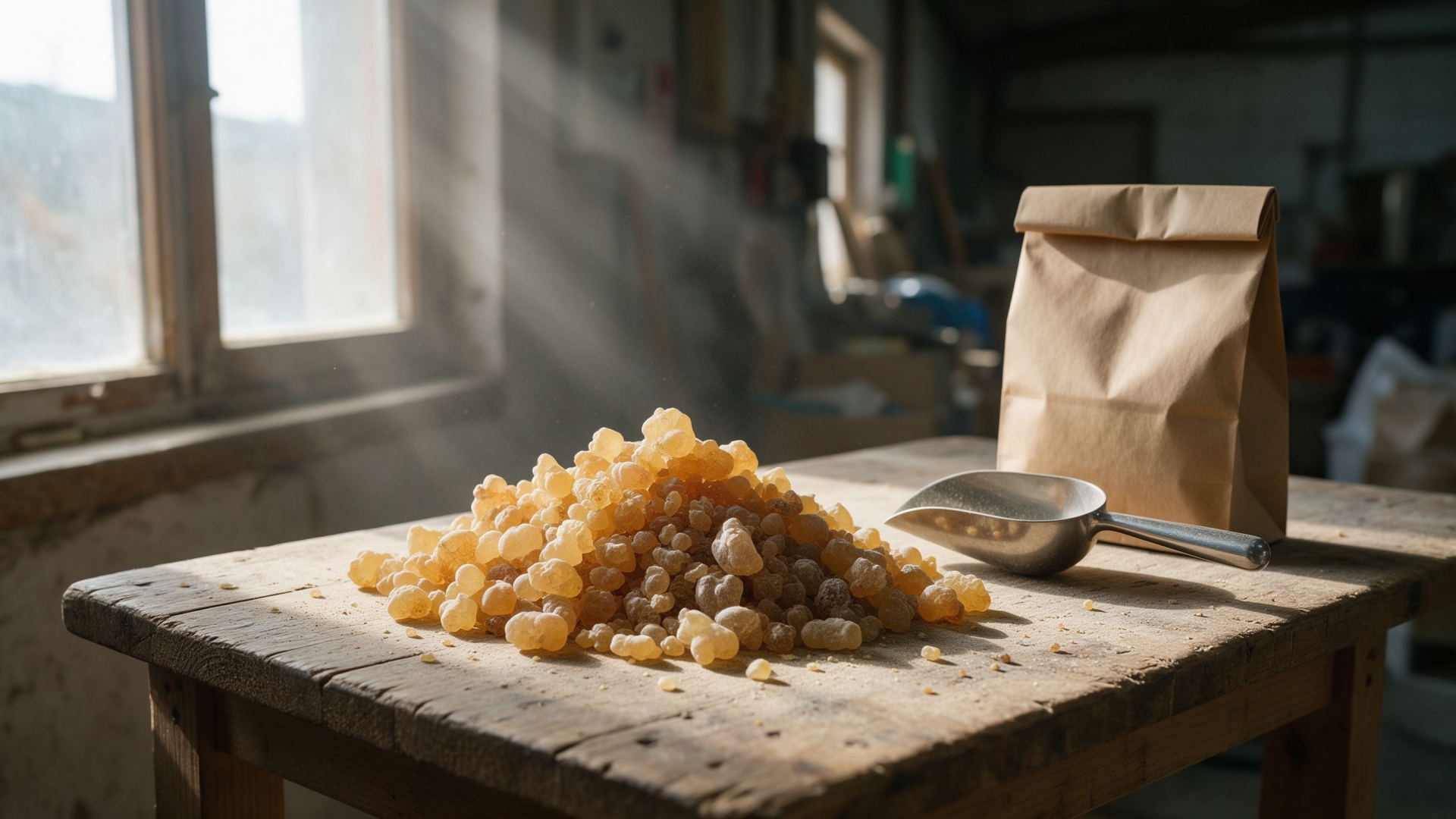
Raw resin at intake. Grade is set here, long before any assay is run.
The percentage does not measure one thing
"Total boswellic acids" can mean the sum of six triterpenic acids, or four, or a titrimetric figure that is not chromatography at all. Most markets have no pharmacopoeial monograph for this extract, so every supplier's 65% is 65% of its own in-house method. Two quotes carrying the same number can differ in AKBA several-fold. The first document to ask for is therefore not the COA but the method: column, mobile phase, reference standard, and a chromatogram for the lot you will actually receive. A supplier who cannot send a chromatogram is selling you a number with no meaning behind it.
Rank them by what would stop your line:
AKBA content and the KBA/AKBA ratio. Same total, different profile, different behaviour in your blend.
Residual solvents — ethyl acetate, hexane, ethanol, acetone — reported individually against ICH limits, not as one aggregate.
Heavy metals: Pb, As, Cd, Hg.
Pesticide multi-residue, with the panel scope stated. "Complies" on its own means nothing.
Microbiology: TPC, yeast and mould, E. coli, Salmonella.
Carrier and dilution: maltodextrin, silicon dioxide, or none. A 65% powder carrying 30% maltodextrin is 65% on paper and a weaker raw material in your mixer.
Particle size (80 or 100 mesh) and bulk density. This decides whether your blend segregate on the way to the filler.
Moisture and ash.
Every document should carry the lot number. A COA without a lot number is a brochure.
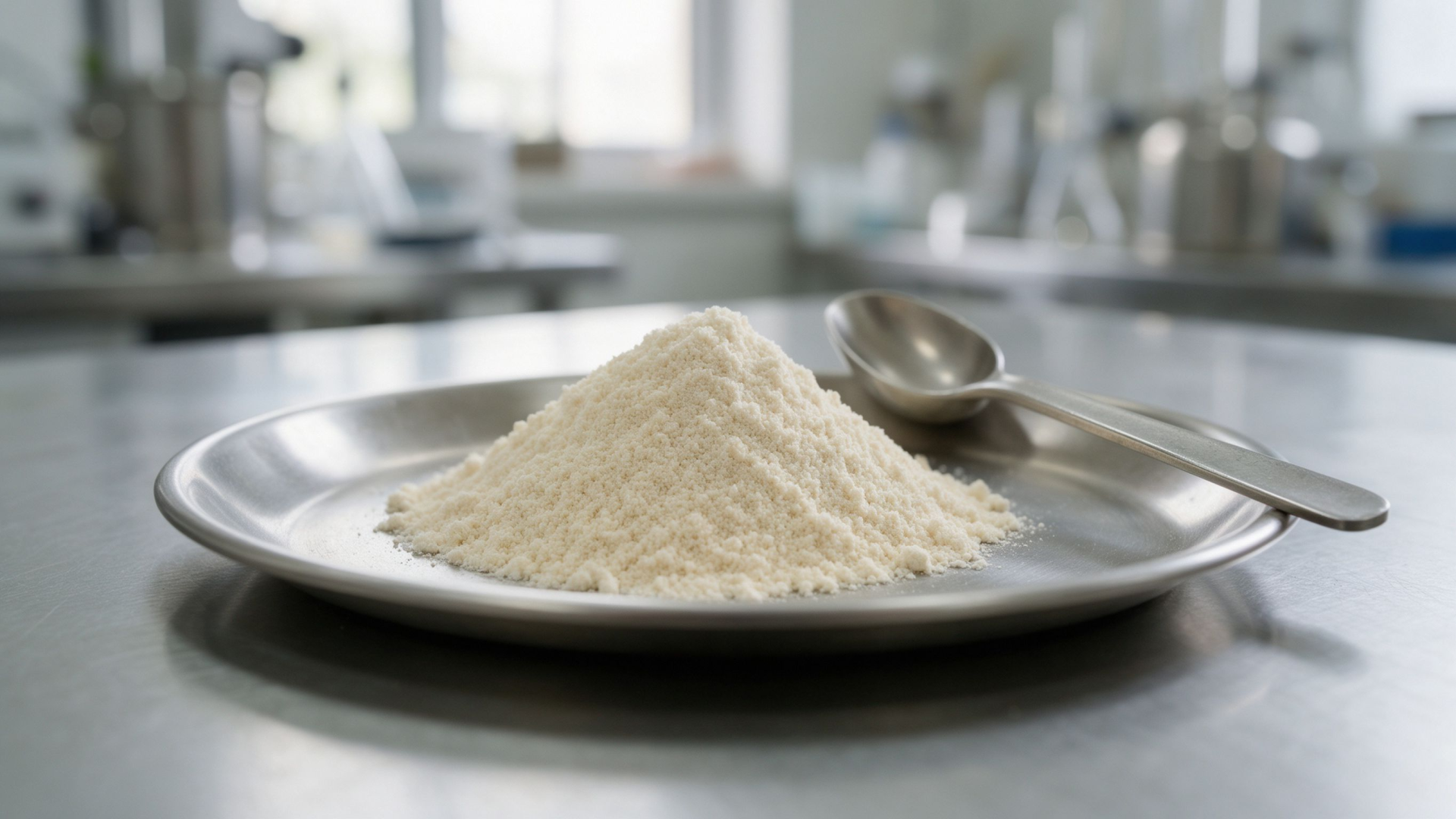
Enriched extract, 65% grade. Colour shift between lots is normal; a sudden change is not.
Substitution is the risk nobody prices in
The recurring practice is blending resin powder or lower-grade extract into an enriched lot until the declared figure is reached. The total lands on target; the acid profile does not. Catch it by asking for the full profile rather than a single line, and by comparing two or three lots over time rather than one. Then protect yourself: keep a sealed retention sample of every lot received, store it cool and dry, re-test at twelve months. If the profile has moved, you have evidence instead of an argument — and you can answer your own customer without guessing.
Resin grade sets the starting point: clean gum tears against collected scrap carrying bark and sand. Solvent choice, extraction temperature and the number of fractionation passes run to reach the target all sit on top of that. Harvest timing matters too. A quote sitting 20% under the market has usually changed one of these, and most often it is the resin grade.
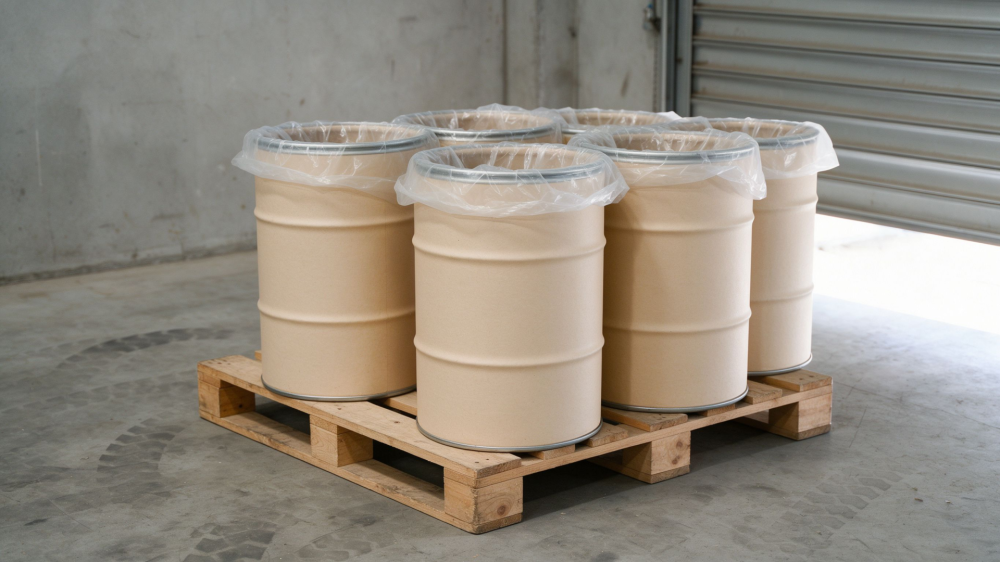
Terms worth fixing in writing
Minimum order: typically 25 kg, fibre drum with food-grade liner.
Lead time from confirmed PO, quoted separately from repeat-order lead time. In most factories those are two different numbers.
Sample drawn from the production lot, 200–500 g, retained against the shipment.
Document bundle: specification sheet, COA per lot, MSDS, allergen and non-GMO statements, Halal/Kosher certificates where relevant, ISO 22000 or FSSC 22000.
Storage and shelf life: 24 months sealed, below 25 °C, away from light.
Change control: written notice before any change to process, solvent or resin source. This clause is worth more than a discount.
We supply material and documentation. Label and structure/function claims belong to the brand marketing the finished product, and to the rules of the market it sells into. Our specification sheet stays technical: identity, assay, contaminants, physical properties. If a supplier sends suggested claims along with a quotation, ask why the documentation is doing the selling.
Two lots, same certificate, different powder. That is the normal state of this category, not the exception. Send us the specification you are working to and the market you are selling into, and we will tell you which items on our sheet you should be checking hardest — including the ones where our numbers will not match the last supplier you bought from.