![Shaanxi Lingkang Times Biotechnology Co., LTD]() Shaanxi Lingkang Times Biotechnology Co., LTD
Shaanxi Lingkang Times Biotechnology Co., LTD

If you are sourcing natural antioxidant raw materials or formulating dietary supplements and skincare products, you may ask: Do grape seed extract contain proanthocyanidins? The short answer is yes. Proanthocyanidins are the most dominant and valuable active compounds inside genuine grape seed extract, and they are the core reason why this botanical ingredient remains one of the most popular natural antioxidants in the global health and cosmetic industry.
Many buyers and formulators confuse common grape seed powder with standardized grape seed extract, which leads to doubts about ingredient efficacy. In fact, high-quality grape seed extract is specifically processed and concentrated to retain rich proanthocyanidin complexes, making it far more potent than ordinary raw grape seed powder. This article breaks down the relationship between grape seed extract and proanthocyanidins, explaining their functions, industry standards, and real application value for B2B manufacturers.
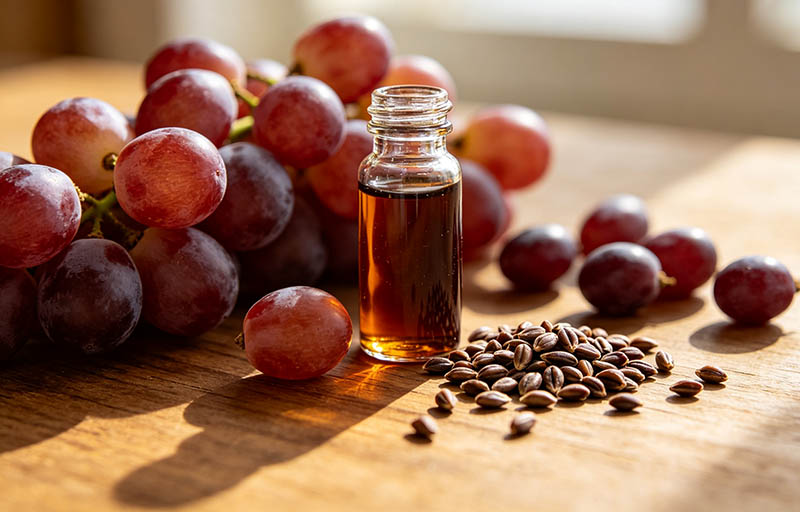
What Are Proanthocyanidins in Grape Seed Extract?
Proanthocyanidins, also widely known as oligomeric procyanidins (OPCs), belong to a unique class of natural polyphenol flavonoids found abundantly in grape seeds. Unlike common vitamin antioxidants, grape seed proanthocyanidins feature stable molecular structures and strong free radical scavenging capabilities. In professional ingredient manufacturing, proanthocyanidins are classified into oligomeric and polymeric forms, among which oligomeric proanthocyanidins are easier for human absorption and deliver more reliable functional effects.
It is worth noting that proanthocyanidins are completely different from anthocyanins. Anthocyanins create purple and red pigmentation in fruits, while proanthocyanidins in grape seed extract are mostly colorless or light yellow active substances, focusing on antioxidant protection rather than coloring effects. This characteristic makes grape seed extract ideal for clear-toned skincare formulas and color-stable functional beverages.
Why Grape Seed Extract Is Rich in Proanthocyanidins
Grape seeds are natural byproducts of viticulture and winemaking, and they naturally accumulate high levels of polyphenolic compounds during grape growth. Among all grape parts including peels and pulp, grape seeds contain the highest concentration of proanthocyanidins. Standard industrial grape seed extract is produced through low-temperature extraction, membrane purification and concentration technologies, which effectively filter out fibers, grease and invalid impurities while locking in large amounts of active proanthocyanidins.
Regular raw grape seed powder only contains natural trace levels of OPCs. In contrast, commercial grape seed extract used for industrial production is standardized and concentrated. Common industrial specifications include 95% proanthocyanidin content, which is the mainstream standard for high-grade grape seed extract worldwide. This huge difference in concentration determines why extract-grade material is essential for high-efficiency finished products.
Industry Standard: Proanthocyanidin Content in Qualified Grape Seed Extract
In global B2B raw material trade, proanthocyanidin content is the key indicator to judge grape seed extract quality. Regular qualified grape seed extract contains proanthocyanidin content ranging from 80% to 95%. High-purity 95% proanthocyanidin grape seed extract is the most popular specification for high-end cosmetics and health supplements, featuring high activity, low impurity rate and stable batch consistency.
Rough-processed grape seed powder or low-concentration extracts on the market often have unstable OPC content, resulting in poor product efficacy and inconsistent finished product quality. Professional manufacturers strictly control extraction temperature, purification times and concentration multiples to ensure stable proanthocyanidin content in every batch, meeting international food-grade and cosmetic-grade production standards.
Common Applications of Proanthocyanidin-Rich Grape Seed Extract
1. Dietary Supplement Industry
Proanthocyanidin-rich grape seed extract is a core raw material for antioxidant health products. It is widely used in antioxidant capsules, anti-aging tablets, nutritional compound powders and daily health formulas. Natural plant-based OPCs are safer and more acceptable for long-term daily health care, matching the global trend of clean and natural supplement ingredients.
2. Cosmetic & Personal Care Industry
Thanks to the stable antioxidant and barrier-protecting effects of proanthocyanidins, grape seed extract is commonly added in facial serums, lotions, creams, facial masks and after-sun repair products. It effectively resists external oxidative damage, improves skin dullness, and maintains smooth and tender skin condition. Its colorless and non-irritating features make it compatible with all skin types and various formula systems.
3. Functional Food & Beverage Industry
Standardized grape seed extract with rich proanthocyanidins can be applied in functional beverages, fruit and vegetable compound drinks and nutritional meal replacements. It enhances the nutritional value of finished products without causing peculiar smell or color distortion, perfectly adapting to the current market demand for natural functional food.
How to Choose High-Quality Proanthocyanidin Grape Seed Extract
When sourcing grape seed extract, buyers should focus on proanthocyanidin purity, production technology and batch stability first. Reliable suppliers provide standardized 80%–95% OPC content products with complete test reports, including HPLC detection data to verify active ingredient content. Low-temperature physical extraction technology must be adopted to avoid thermal damage to proanthocyanidin activity.
In addition, qualified grape seed extract should be free of heavy metal residues, microbial contamination and artificial additives. Factory certification such as ISO and HALAL can further guarantee product compliance for global export trade. Stable solubility, pure texture and no peculiar smell are also basic features of high-quality proanthocyanidin grape seed extract.
Final Verdict
Grape seed extract does contain abundant proanthocyanidins, and these OPC active ingredients are the core value of grape seed extract. The higher the standardized proanthocyanidin content, the stronger the antioxidant and functional effects of the extract. For manufacturers looking for stable, efficient and natural plant antioxidant raw materials, high-purity proanthocyanidin-rich grape seed extract remains one of the most cost-effective and reliable choices in the global ingredient market.
If you need professional batch supply, customized purity specifications or free sample testing of high-quality grape seed extract rich in proanthocyanidins, welcome to contact us for detailed product parameters and latest wholesale quotation.